
Independence, Dignity, and Community: How occupational therapy helps to keep older adults housed
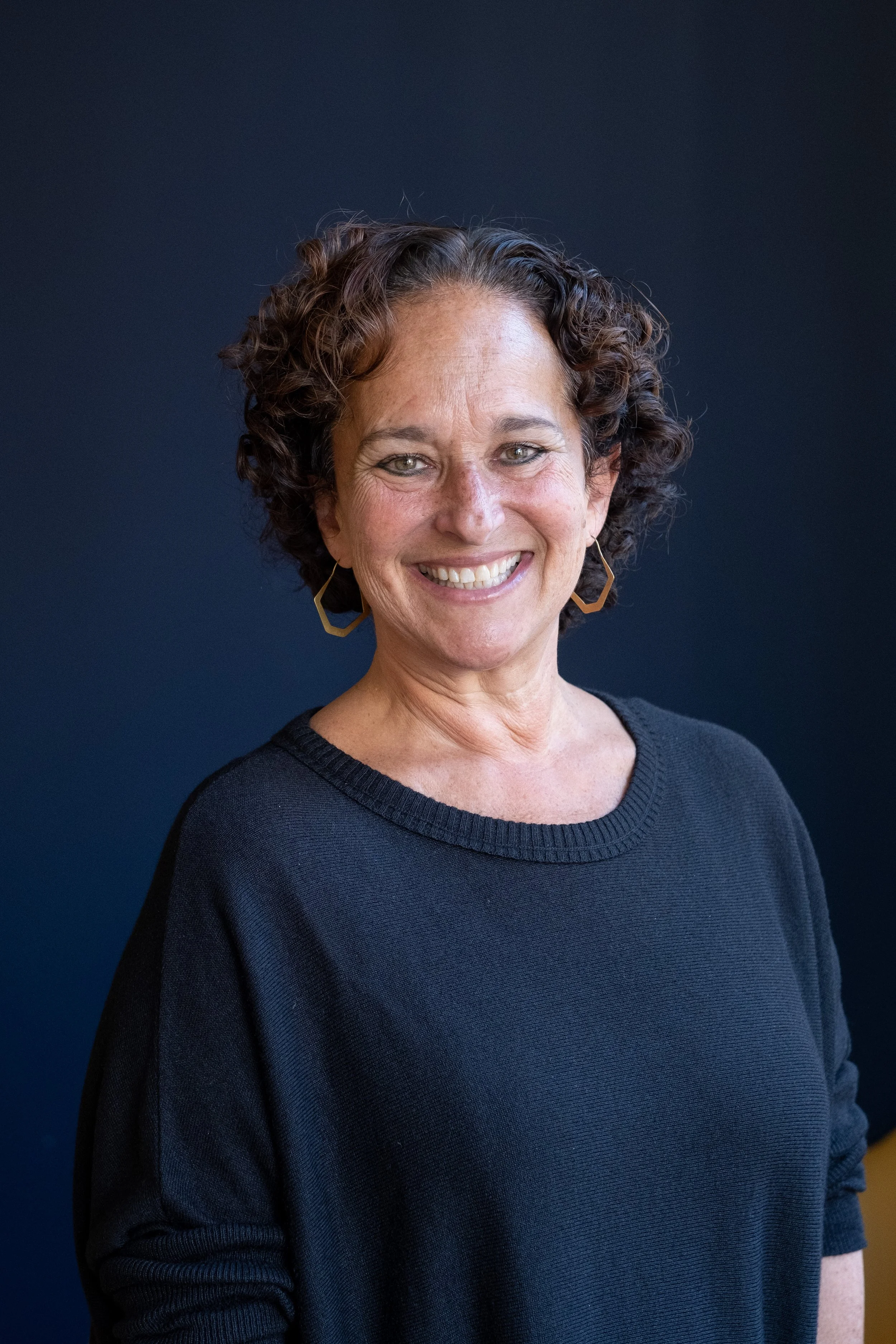
Robin Kahan-Berman is the Vice President of Occupational Therapy at Project Renewal.
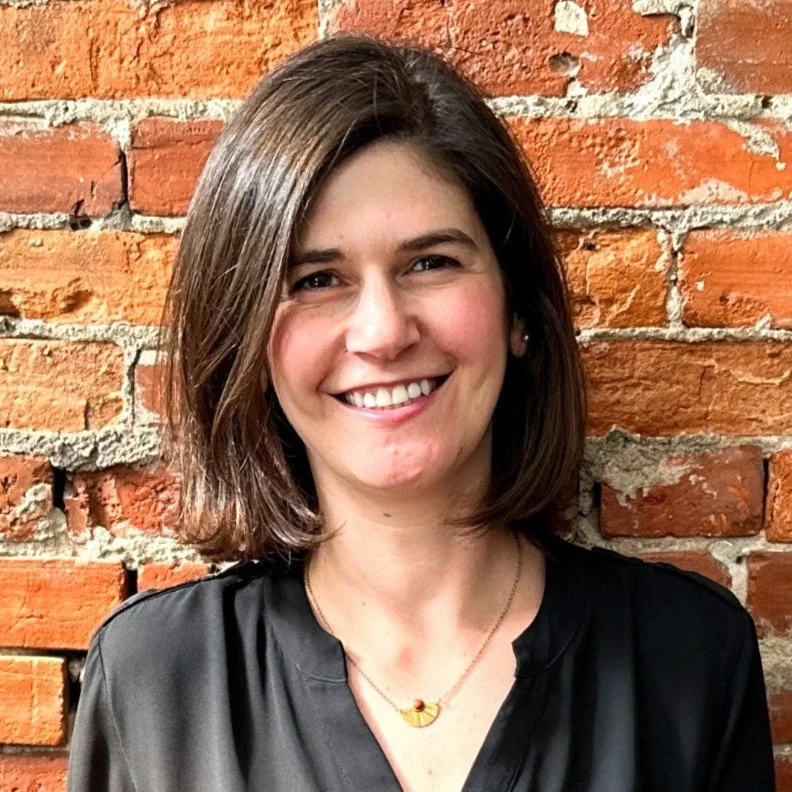
Alissa Weiss is a Directing Analyst and Healthcare Strategy Lead at Homebase
2026
Wait -- why aren’t we doing more of this?
That’s the thought that sticks with you after talking to Robin Kahan-Berman about her work in New York City. Robin is the Vice President of Occupational Therapy at Project Renewal, a New York City-based nonprofit that provides housing, health care, and employment opportunities to New Yorkers who have experienced homelessness. The organization is on the leading edge of incorporating occupational therapy (OT) across its shelters and housing programs, including its Helping Older People Engage (HOPE) initiative. When you talk to Robin, it becomes clear that OT can play an invaluable role in keeping people – especially older adults – housed.
Robin shared highlights of this approach at Homebase’s From Urgency to Action: A Mid-Atlantic Summit on Older Adult Homelessness, and we followed up to learn more. In this condensed interview, she explains the power of OT to increase the chances that clients stay housed even as they encounter the health and cognitive challenges associated with aging – and the journey to build and sustain such a substantial OT practice within the homelessness sector.
What is Occupational Therapy, and what makes it a particularly useful strategy for serving older adults?
OT is an evidenced based clinical discipline that aims to help individuals develop the skills they need to function at their optimal level of independence. OTs look at all the activities of daily living (ADLs) that people need to do to engage in healthy routines, and then they figure out how each individual can develop the skills or compensatory strategies needed to safety and successfully perform those tasks.
This is particularly important for older adults because their skills are declining. Older adults in homeless services spaces are coming in with all the challenges that unhoused individuals have, and on top of that, as they’re aging, they’re experiencing diminished support systems and reduced capacity to do ADLs. They’re becoming less able to travel independently – their mobility is decreasing, their vision may be decreasing, their physical stamina is decreasing. The cognitive decline that comes with aging really impacts someone’s ability to function independently. And of course, this also leads to changes in mental health as people tend to become increasingly isolated and more anxious and depressed. OT takes a very holistic approach to caring for someone: we’re able to target all these areas and say, “Ok, what does an older adult really need to stay safely housed and not need premature, unnecessary nursing home placements? What can we do to help them build community, maintain connection, engage in self-care and effectively access health care?
Can you describe an OT session?
OT sessions are client-centered and geared towards the individual’s goals and readiness for treatment. We work with clients in our treatment spaces as well as in their homes and surrounding communities.
The timing of our sessions can vary greatly. We have sessions that are 3 minutes long where a client is waiting at our door every day at 8:30am, and he is just coming to blow off steam about his frustrations with this [PSH] building, and this is his first step to making a connection with a provider. When this is a necessary first step to building trust, we’re here for it, knowing that patiently listening and tolerating dysregulation may be what the client needs in order to begin to engage.
Then there are people who come to address targeted goals that can include anything from getting a colonoscopy scheduled and managing the prep, to setting up an email or voicemail account, to connecting to some type of volunteer activity. These sessions can last anywhere from 30 minutes to an hour or two, and sometimes it can be a 4-hour session helping someone learn to navigate the grocery store, use SNAP benefits, come back to their apartment and prepare a simple meal.
Why and how has Project Renewal applied OT to help keep people housed?
Project Renewal has been visionary in not only offering people housing, health care and employment opportunities, but in also recognizing that people need to first build functional skillsets if they are going to be able to utilize these opportunities effectively. For most of our clients – who haven’t had their own homes or held their own jobs or had successful healthcare practice and treatment - they get these opportunities and they don’t really know what to do with them, so they’re often unsuccessful. These transitions to housing are often highly stressful: the clients have been cleared for housing but they don’t really have the functional skills to meet the everyday demands of independent living. Project Renewal said “What will fill that gap? What will build practical skills? What will make these opportunities more successful?” It’s going to be OT. It’s going to be a discipline that really focuses on that very functional skill building piece.
OT started at Project Renewal (around 2005) because Columbia University’s Occupational Therapy program is on the same block as one of Project Renewal’s largest men’s shelter. My colleagues at Columbia had some of their students go into the shelter and run groups as part of their group process class. And they were like, “Oh, this is amazing to see. The men are really responsive to these ADL groups and the students are learning so much. We should think about creating fieldwork placements at this agency.” I was brought on part time in 2009, came on full time in 2017, we hired our first OT and since then, we’ve grown to 24 OTs. Today, our team is across all our shelters, housing programs, drug user programs, and our workforce development program.
How does OT help address behavioral health needs?
OTs have very solid training in cognition, in Traumatic Brain Injury (TBI), and in psychopathology. We are able to use that trauma-informed lens to say, “[This patient has] some cognitive challenges that are creating boundary-pushing types of behaviors.” We take a really patient approach to help people learn to manage emotional regulation. Our clients are often so dysregulated that I think many people feel like they’re not ready to work. OTs have the ability to be in that space with them, and to help them work on learning to regulate - to be present and to be patient as clients take some of their very first steps in the recovery process.
We also have a different approach to substance use. Drug use fills so many needs. People use drugs because they’re bored, because it helps them cope, because it gives them a pathway to social interaction, because they’re managing physical pain. An OT can say, “I get it – drug use is helping you with so many things. Do you want to explore any other ways to do those things which may make you want to use a little less or a little more safely? We can find other things that make you feel good. We can help you learn other way to cope.” Again, taking a trauma informed, harm reduction lens, and helping people just build skills to cope more adaptively. We ask, “Do you want to stop using?” Most of the time the answer is no – at least to start. Most of the time it’s, “I don’t want to die.” So ok - let’s start there. Let us help with that. Let’s work to give you the tools to not have an overdose. And in time, that may lead to other goals, but that’s going to be at a client-driven pace, not a provider-driven pace.
Is there an example you can share where OT made a notable difference in keeping someone housed?
For older adults, there are clients who have safety challenges that put them at risk of getting them pushed out. There are clients who can’t remember to turn the stove off, and it’s such a safety hazard that they’ll run the risk of eviction. There are all kinds of adaptations out there for people with memory loss that are very accessible to people with money but much less accessible to our clients. We can do things like advocate for burners that turn off after a certain amount of time, and other things that help someone stay housed. People can also be evicted for hoarding when it becomes a safety hazard. OTs can be really helpful with that, building enough trust to get someone to work with us: “We’re not asking you to have a clean apartment and throw away everything you care about, but let’s work together to make a path so you can get in and out.”
The stories from OT are so amazing. There is an older adult in our HOPE program who the OTs met when he was pretty isolated. We knocked on his door and found him in poor shape. He needed an amputation from the knee down. Since then, the OTs have worked with him to manage his diabetes, his diet, help him understand how to take his meds. They also advocated to get him a motorized scooter. He liked to be in the community before he was sick and now, they go with him to the park. He’s a gregarious, chatty guy and he met a guy playing ball with his kid, and they just invited him to be an assistant coach on the team. He told the OTs “I need a whistle! A coach needs a whistle!” So, they got him a whistle. And he feels very ready to take on this volunteer job. And he’s gone from feeling like “my life is over, I want to die,” to “everything is turned around.” He’s going to do the work he needs to do to care for himself, so that he can be out there and coaching and living his best life. It’s an amazing story that shows how OTs foster that ability for someone to have connection, meaning, and routines that allow them to feel valued in their community, and have things that are crucial to well-being and housing stability.
How can OT help people connect to health care services?
OTs foster the ability to engage more fully in health care and harm reduction practices. These are individuals who likely have difficulties trusting the system and who might not jump into health care without coming to OT first. We say, “Join in our group activities and be an artist or musician!” We won’t ask anything heavy; we’re just going to let you build that trust and start to see that providers can be allies and advocates. Understand that providers see your strengths and want to hear your goals and help you achieve what’s important to you. These are things that really promote engagement in psych care, medical care, substance use services. It leads to our clients emerging in a place where they’re better able to be self-sustaining, with less risk for premature placements in nursing homes and higher levels of care. There’s much more ability for them to stay in community and live dignified, fulfilling lives.
Are there particular barriers you have faced in getting OT established and scaled?
There is still such limited knowledge around behavioral health OT. People haven’t heard of it. That makes it hard sometimes for people to invest because they just don’t fully get it. When I put out asks out for OT (budget) lines, a lot of people say, “That sounds like something a peer or home health aide could do.” So, working to ensure that people understand OT training, our unique role and how that impacts program success is essential.
Money is also a challenge because OT lines are often a greater cost than many other disciplines. My biggest selling point is that we have a robust student training program. So when you’re putting money into a salary for 1 OT, you’re actually going to get 3 people throughout the year, if they can take students, which is always our goal. These full-time interns significantly increase capacity for direct-service provision, so you wind about getting a solid return on the investment.
Another challenge is getting people, especially government funders, to think about something new. These are such longstanding contract templates, and they’re outdated and they don’t adapt as people age. We have contracts based on when our clients were coming in with the challenges of people in their 40s and 50s – but now they’re in their 70s and 80s and their needs are very different. Where’s the adaptation to meet that? We have to help people expand their thinking to be more creative and solutions-focused to help people age in place with health and dignity.
You’ve been successful in getting government funders to start funding OT in your contracts. How have you been able to do that?
Our private funders are amazing, but they want to know how this programming can be sustained, so convincing government partners is so key.
It often starts by working within existing budgets, seeing where there are vacancies and options for reallocations. We can then make the case that if we get that money to at least bring in someone half time, you’re going to get these clinical treatment processes that are really going to help somebody stay housed. And then it became a case of – let’s collect very good data, let’s be clear about the value and efficacy of OT services with the team and leadership so they’ll join us in advocacy. That’s what happened when we did our first HOPE program. The program director said, “I have never seen the older adults out of their room and now every day they’re out and about and getting connected to care and talking to case managers! We have to figure out how to support this.”
Then there’s outward facing advocacy – talking with funders, going to conferences to put the work out there, joining the high-risk calls with Office of Mental Health liaisons, and saying “If we had OT in the building, here’s how we would approach things.” And now we’ve seen some of those agency staff start to say, “We’re doing a program for medically complex older adults, we should be thinking about OT staff for that.” RFPs are now suggesting that respondents include OT in their staffing models. So we’re getting there through advocacy and data.
What advice would you give to others looking to implement OT in a shelter program, PSH, home visiting program, etc.?
Use the student angle! There are programs in different locations with OT students who are going to be looking for placements and who may be interested in this work. If you can hire someone, that’s phenomenal, but if you can’t, start with students, start wherever you can. Begin to show the value and efficacy of the work. That’s going to generate first steps in the movement towards building this out.
And stay with it. Reach out to people, connect with people who are doing it and stay with it as best as you can. It’s a long battle, it’s a hard battle, but it’s worth it. If we’re seeing these outcomes now, it has certainly all been well worth it.
If you are interested in finding out more, visit the Project Renewal website.
Alissa Weiss, in conversation with Robin Kahan-Berman
