
10 ways to help people experiencing homelessness keep their Medicaid
This interactive page gives health and housing providers a quick overview of upcoming Medicaid changes and practical steps you can take today. Acting now helps ensure unhoused clients maintain their health coverage and care without interruption.
State Letter about Upcoming Medi-Cal Changes: Help People Experiencing Homelessness Keep Medi-Cal Now
In September 2026, California’s Department of Health Care Services (DHCS) started sending out a four-page letter to Medi-Cal members. The letter went to Medi-Cal members who are part of the ACA Expansion Population (adults 19-64 years old, usually without children). The letter tells members about federal changes to Medi-Cal that go into effect beginning March 1, 2027. The changes include requiring renewals every six months, and requiring members to meet new work and community engagement requirements. Luckily, some members can be excused from the new rules.
Clients who got these letters may start asking questions. The letter may be their first time hearing about the changes to Medi-Cal, and they may need help understanding the new rules. They may need help to not lose Medi-Cal coverage. This document includes useful information for providers to help these clients navigate the changes and maintain coverage.
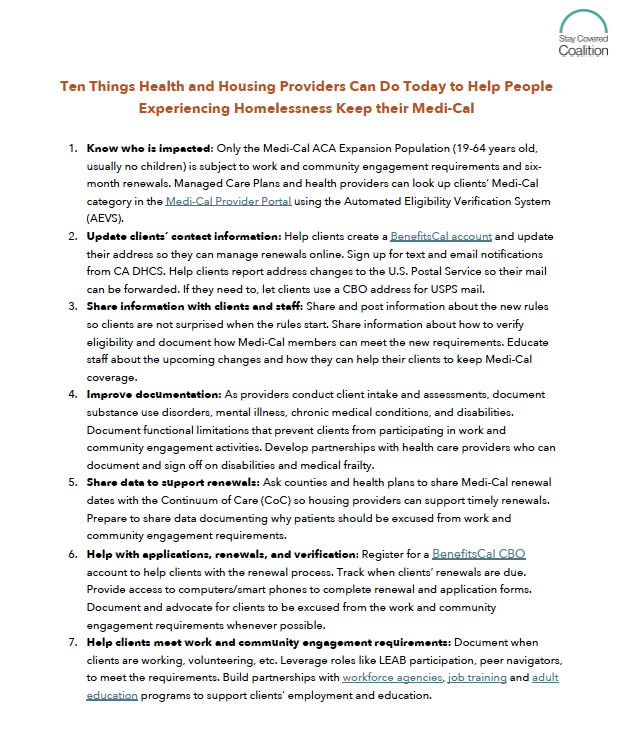
Ten Things Health and Housing Providers Can Do Today to Help People Experiencing Homelessness Keep their Medi-Cal
As 2025 H.R.1 changes put Medicaid coverage at risk, it’s important for health and housing providers to know what they can do to protect coverage for people experiencing homelessness. This document lays out the top ten things providers can do today.

Self-Pay as a Permanent Housing Solution: Guidance for Agencies Helping Medi-Cal Members Request Transitional Rent
This resource is for individuals and agencies working to help Medi-Cal Members complete Housing Support Plans (HSPs) in support of Transitional Rent (TR) referrals, specifically when the payment source for the Member’s post-TR permanent housing solution is self-pay. It outlines what to include in HSPs to help managed care plans (MCPs) understand a Member’s ability to self-pay as a way to sustain their housing following receipt of TR.
Cross-Sector Lessons to Address Older Adult Homelessness
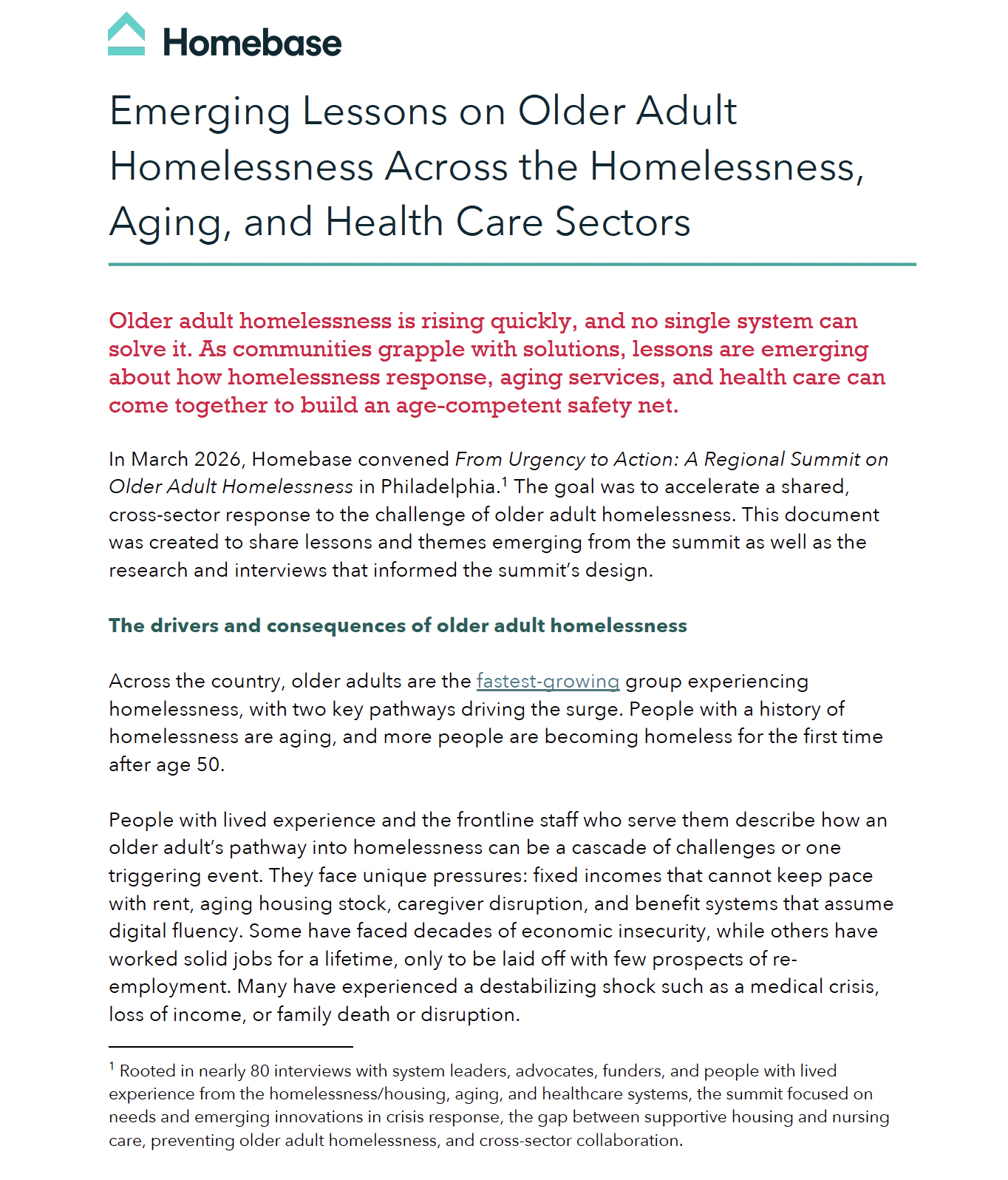
Older adult homelessness is rising quickly, and no single system can solve it. As communities grapple with solutions, lessons are emerging about how homelessness response, aging services, and health care can come together to build an age-competent safety net.
In March 2026, Homebase convened From Urgency to Action: A Regional Summit on Older Adult Homelessness in Philadelphia. The goal was to accelerate a shared, cross-sector response to the challenge of older adult homelessness. This document was created to share lessons and themes emerging from the summit as well as the research and interviews that informed the summit’s design.
Continuum of Interventions for Older Adults Experiencing or at Risk of Homelessness
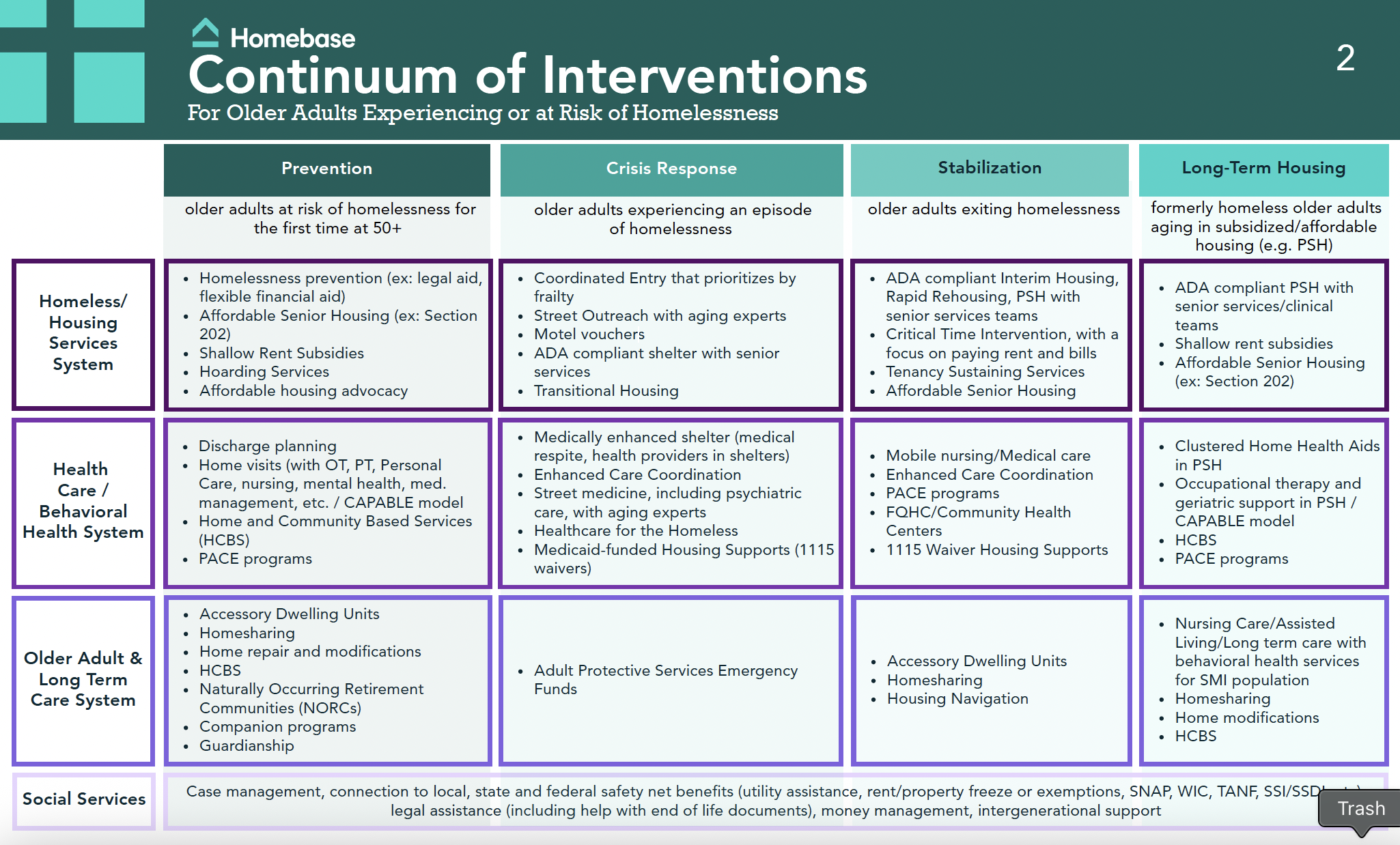
Homebase created this Continuum of Interventions for Older Adults Experiencing or at Risk of Homelessness based on research and conversations with people with lived experience of homelessness, practitioners, policy makers, funders, and other experts, and with input from attendees of From Urgency to Action: A Regional Summit on Older Adult Homelessness, held in March of 2026. Thank you to all who contributed!
The Continuum outlines the ways that older adults may intersect with housing instability and homelessness and the types of interventions that key sectors can deploy to improve outcomes for older adults, depending on the specific setting, population, and needs.
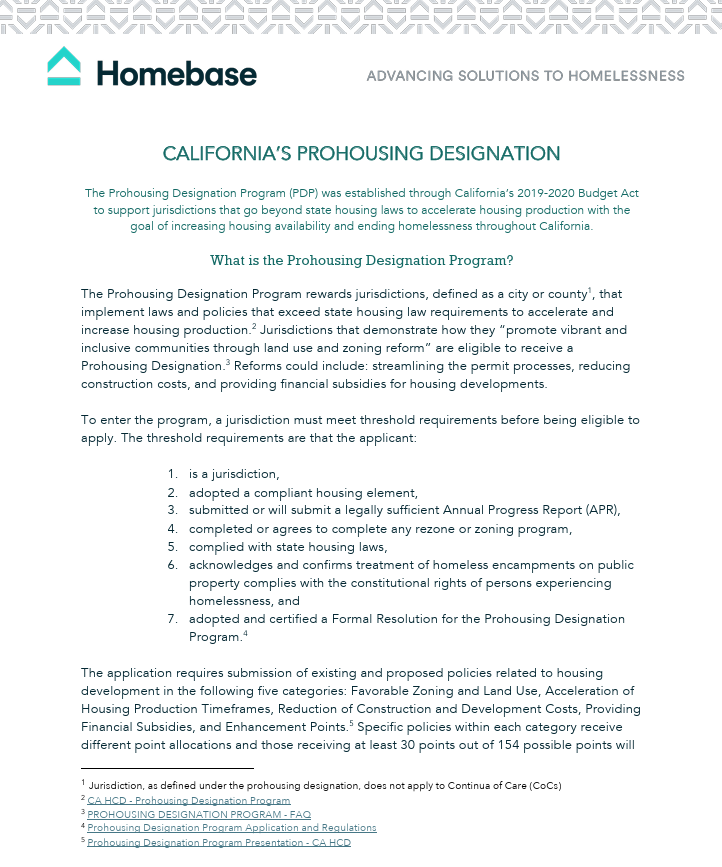
Factsheet on California’s Prohousing Designation
The Prohousing Designation Program (PDP) was established through California’s 2019-2020 Budget Act to support jurisdictions that go beyond state housing laws to accelerate housing production with the goal of increasing housing availability and ending homelessness in California. This document provides an overview of the PDP, implications on state funding allocations, and recommendations for jurisdictions considering an application.
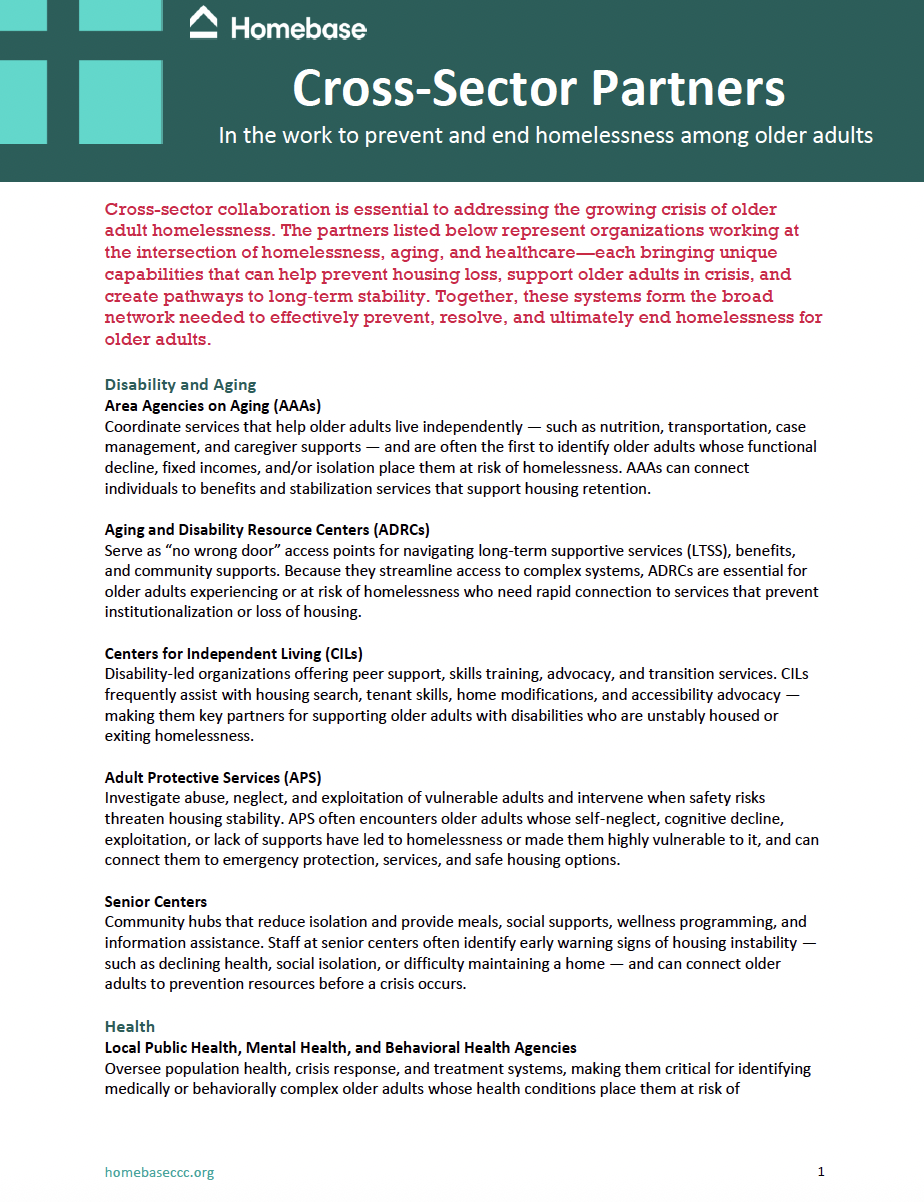
Cross Sector Partners in the Work to Prevent and End Homelessness Among Older Adults
Cross-sector collaboration is essential to addressing the growing crisis of older adult homelessness. The partners listed in this document represent organizations working at the intersection of homelessness, aging, and healthcare—each bringing unique capabilities that can help prevent housing loss, support older adults in crisis, and create pathways to long‑term stability. Together, these systems form the broad network needed to effectively prevent, resolve, and ultimately end homelessness for older adults.
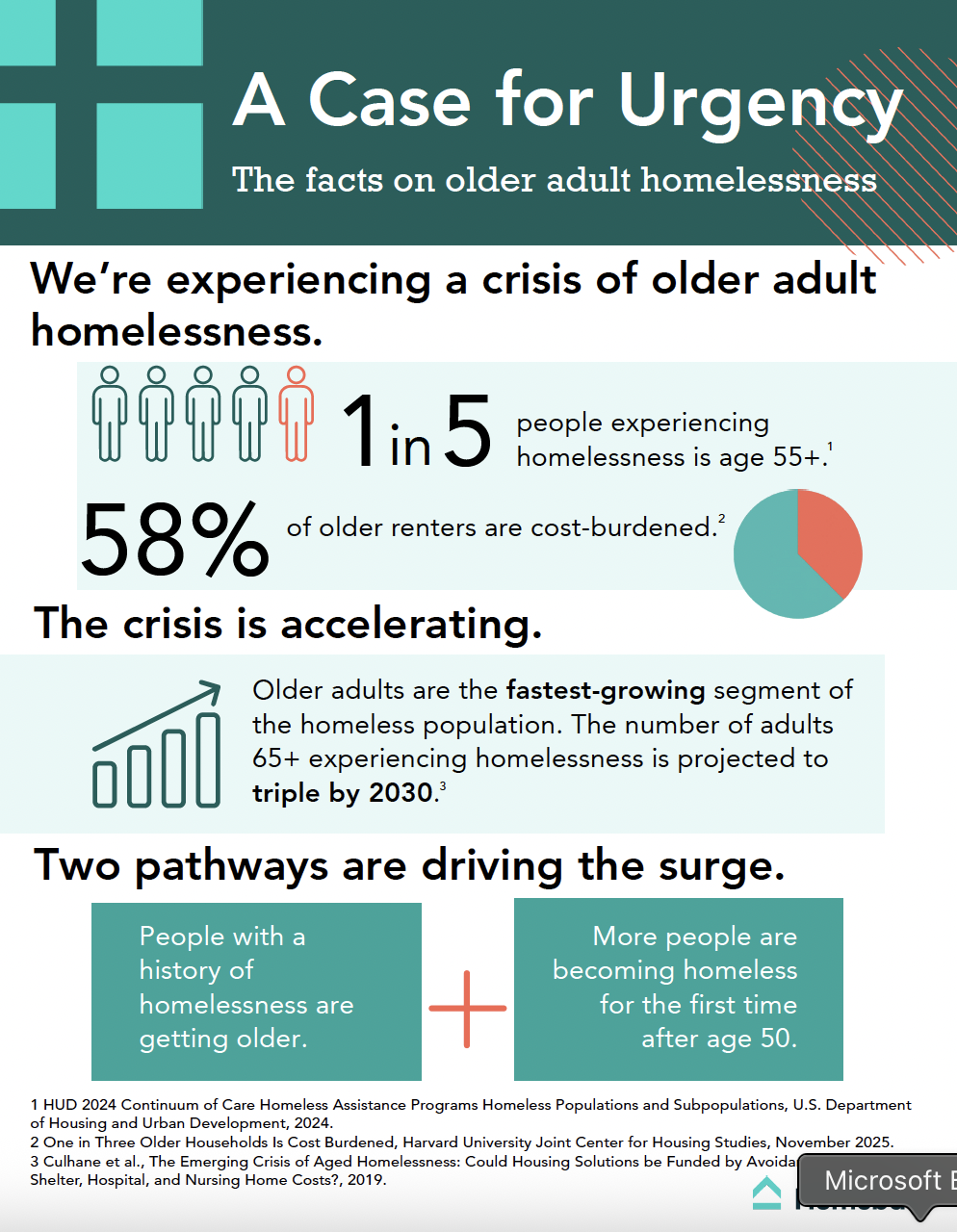
A Case for Urgency: the facts on older adult homelessness
This factsheet provides an overview of what the numbers are saying about the growing crisis of older adult homelessness in the U.S. It is intended to serve as a starting point for conversations between systems - including homelessness response, health care, and aging - and to underscore the need for alignment across systems to address the unique needs of this population.

Transitional Rent Eligibility and Access Guide for the Behavioral Health Population of Focus
This resource provides in-depth details you need about Transitional Rent, who is eligible, and what to do before referring a Member to their managed care plan for Transitional Rent.

Transitional Rent: What to Know Before You Request or Refer
A concise overview of Medi-Cal's new Transitional Rent benefit, who is currently eligible, and what is required to refer someone.
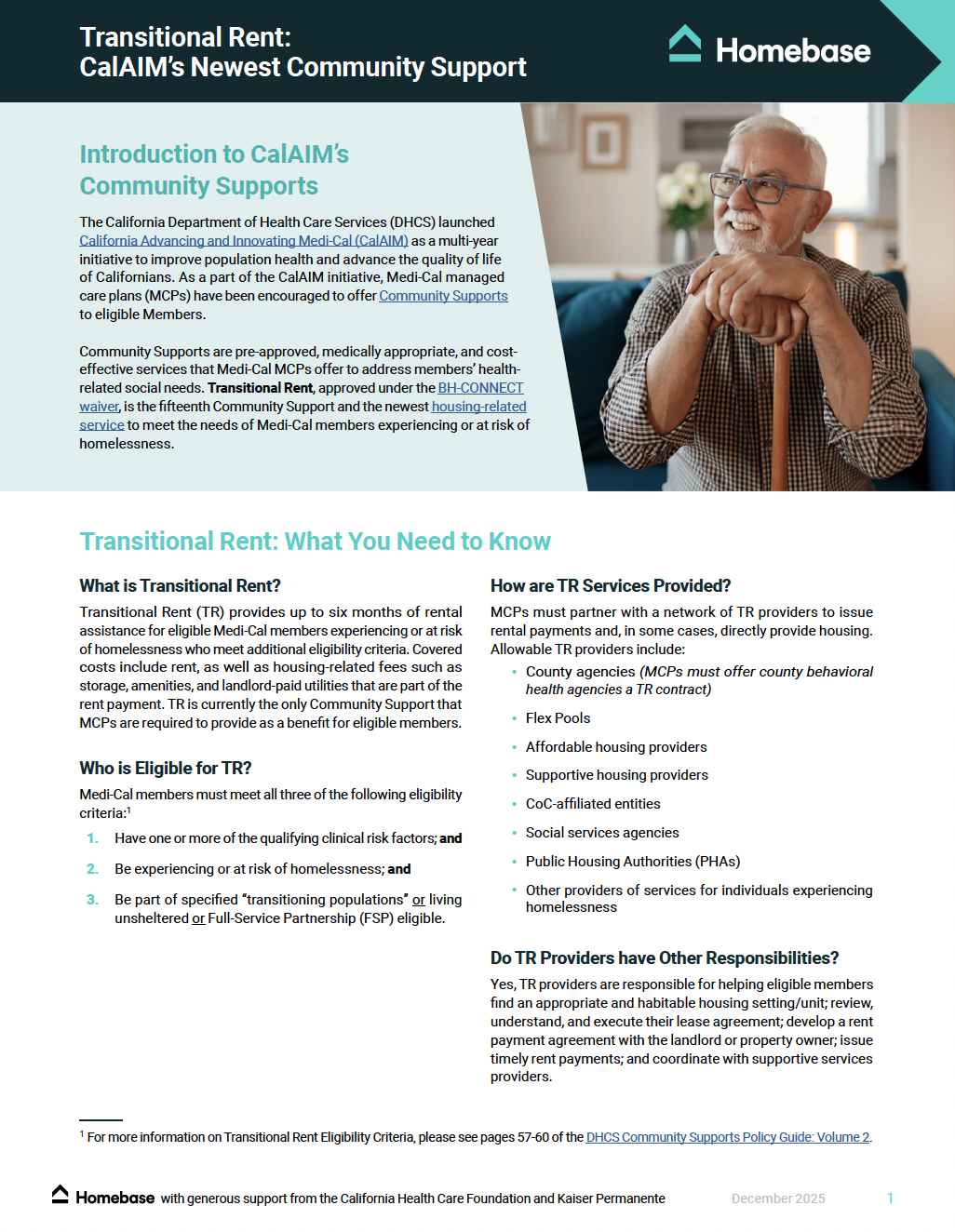
Transitional Rent: CalAIM’s Newest Community Support
A short overview of California's new Medicaid benefit, Transitional Rent, which provides up to six months of rental assistance for eligible Medi-Cal members experiencing or at risk of homelessness who meet additional eligibility criteria.
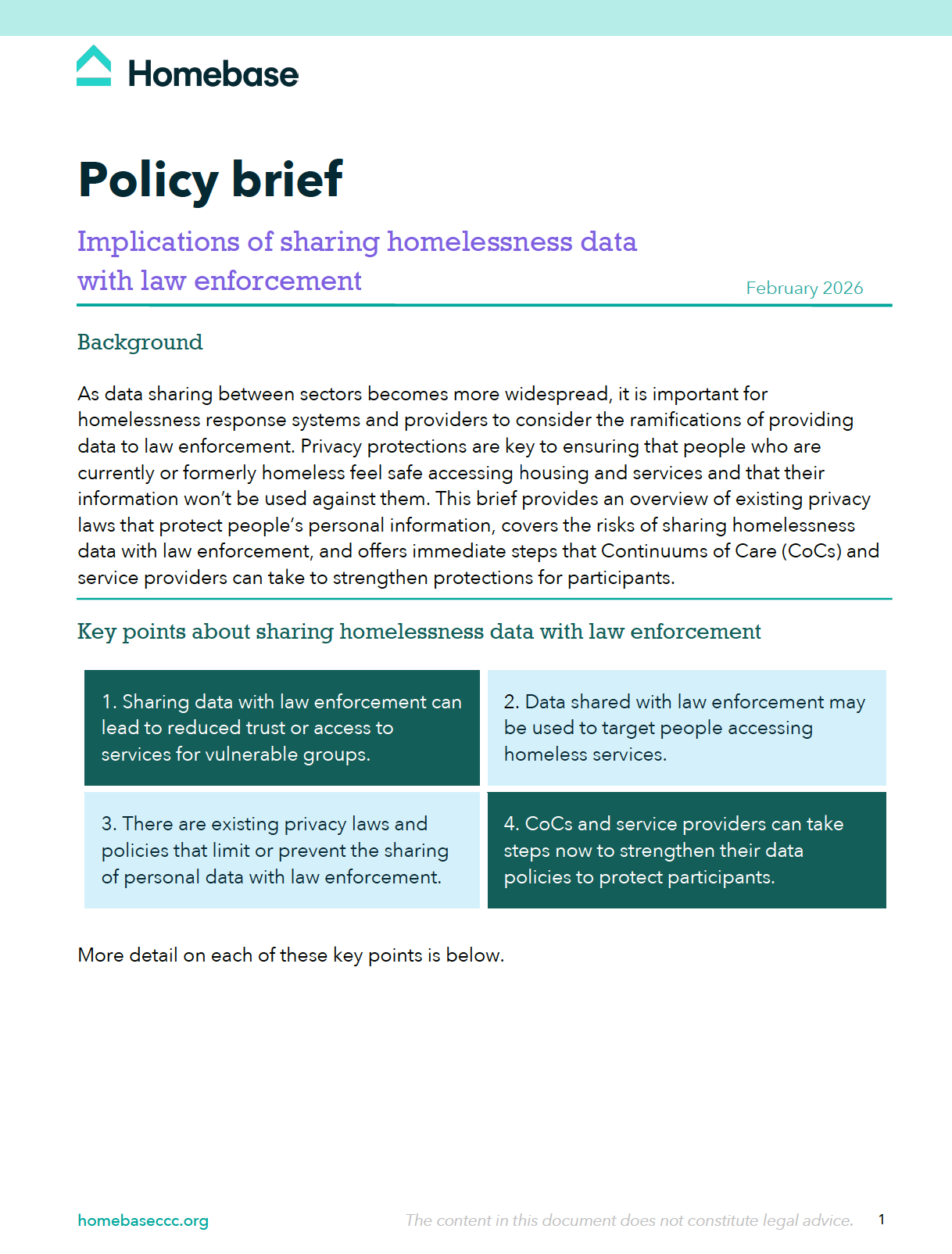
Implications of sharing homelessness data with law enforcement
As data sharing between sectors becomes more widespread, it is important for homelessness response systems and providers to consider the ramifications of providing data to law enforcement. This brief provides an overview of existing privacy laws that protect people’s personal information, covers the risks of sharing homelessness data with law enforcement, and offers immediate steps that Continuums of Care (CoCs) and service providers can take to strengthen protections for participants.
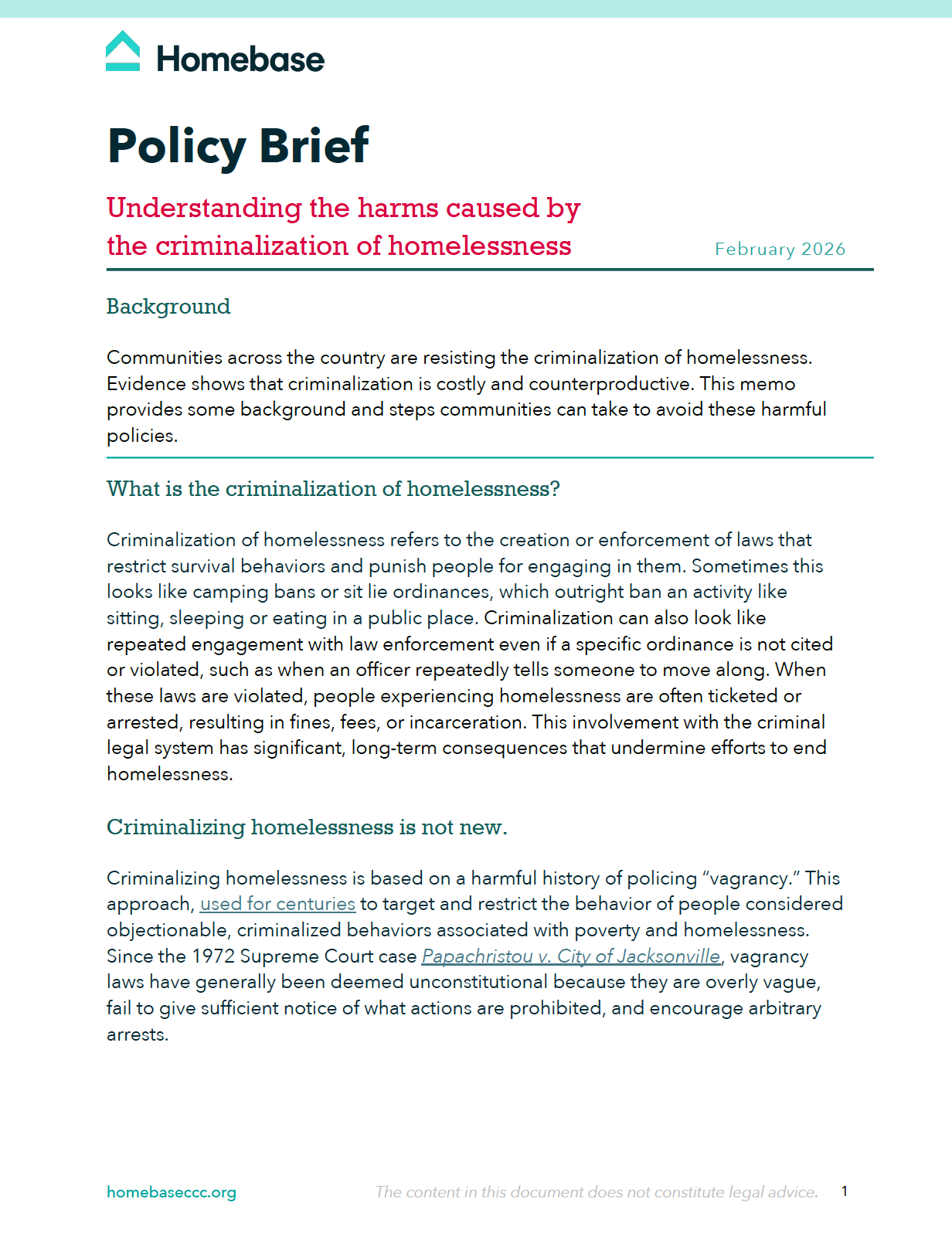
Understanding the harms caused by the criminalization of homelessness
Communities across the country are resisting the criminalization of homelessness. Evidence shows that criminalization is costly and counterproductive. This memo provides some background and steps communities can take to avoid these harmful policies.
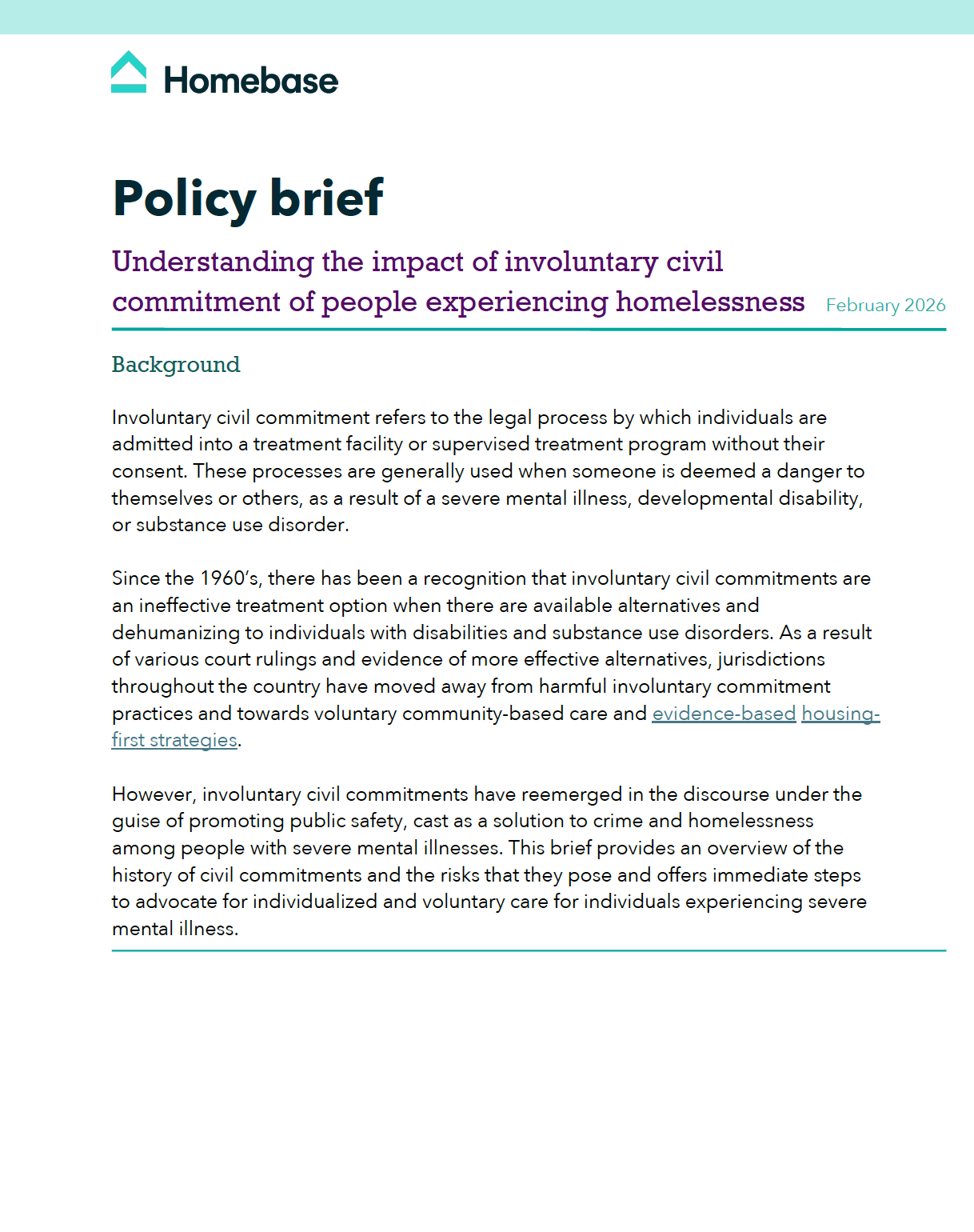
Understanding the impact of involuntary civil commitment of people experiencing homelessness
This brief provides an overview of the history of civil commitments and the risks that they pose and offers immediate steps to advocate for individualized and voluntary care for individuals experiencing severe mental illness.
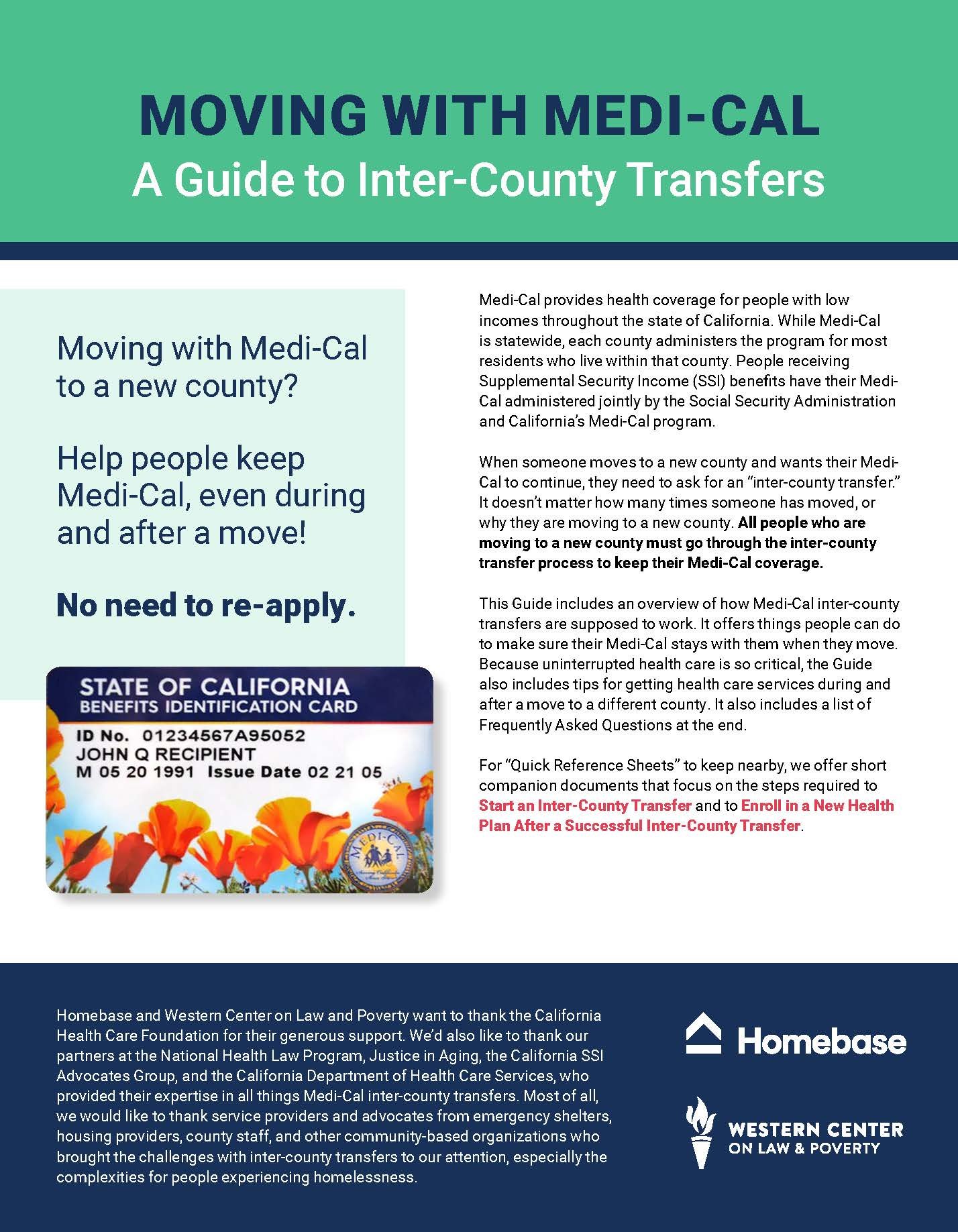
Moving with Medi-Cal
When someone enrolled in Medi-Cal moves to a new county within California and wants their Medi-Cal to continue, they need to ask for an “inter-county transfer.” The transfer process can be especially complicated for people experiencing homelessness. This guide has detailed information about Medi-Cal’s inter-county transfer process.
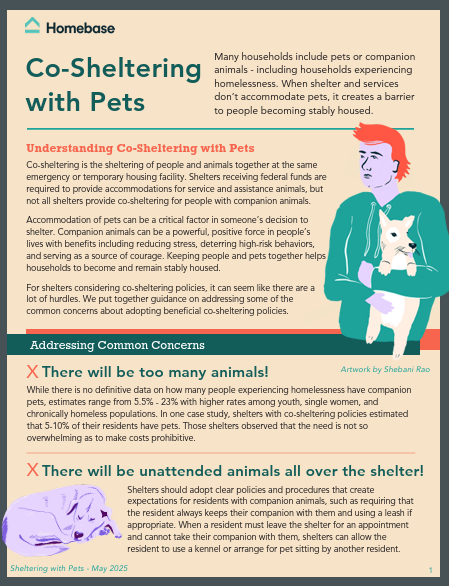
Co-Sheltering with Pets
This material provides guidance on addressing some of the common concerns about adopting beneficial co-sheltering policies for people with companion animals who live in emergency or temporary housing facilities.
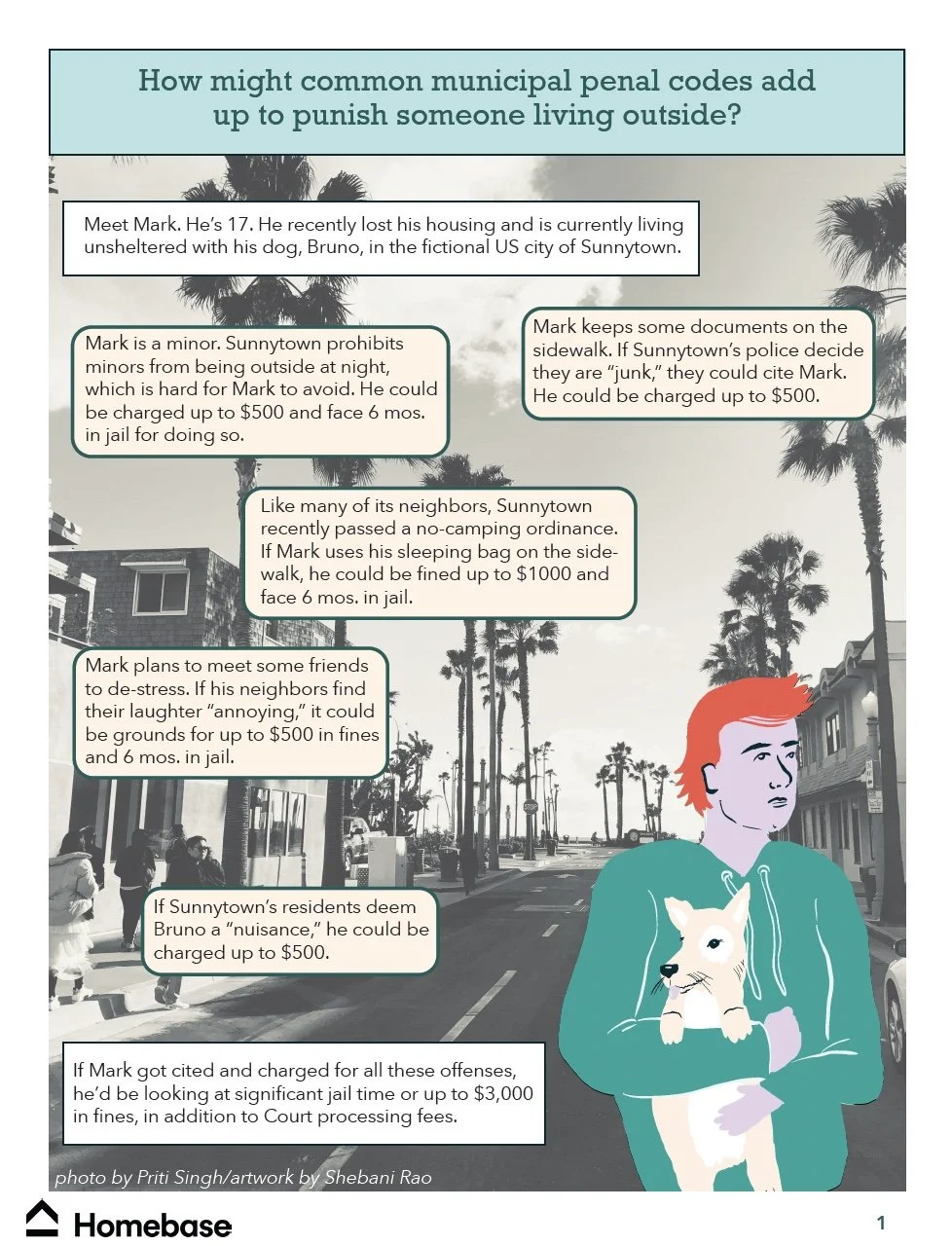
Impacts of Criminalizing Homelessness
These fact sheets show the impact of local laws that criminalize people living outside.
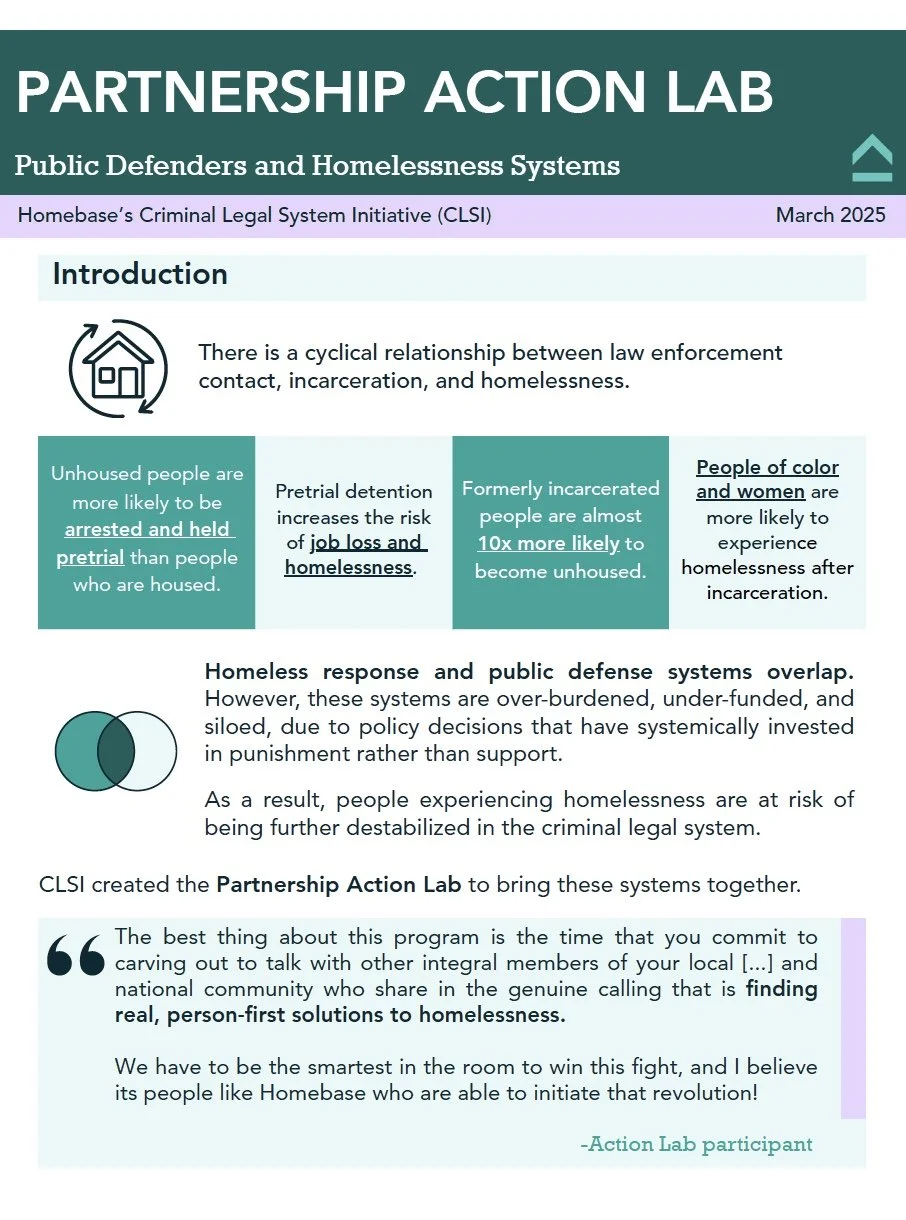
Partnership Action Lab
The Partnership Action Lab brought together homelessness systems and public defenders to improve outcomes for people who are experiencing housing instability and charged with and/or convicted of misdemeanors.
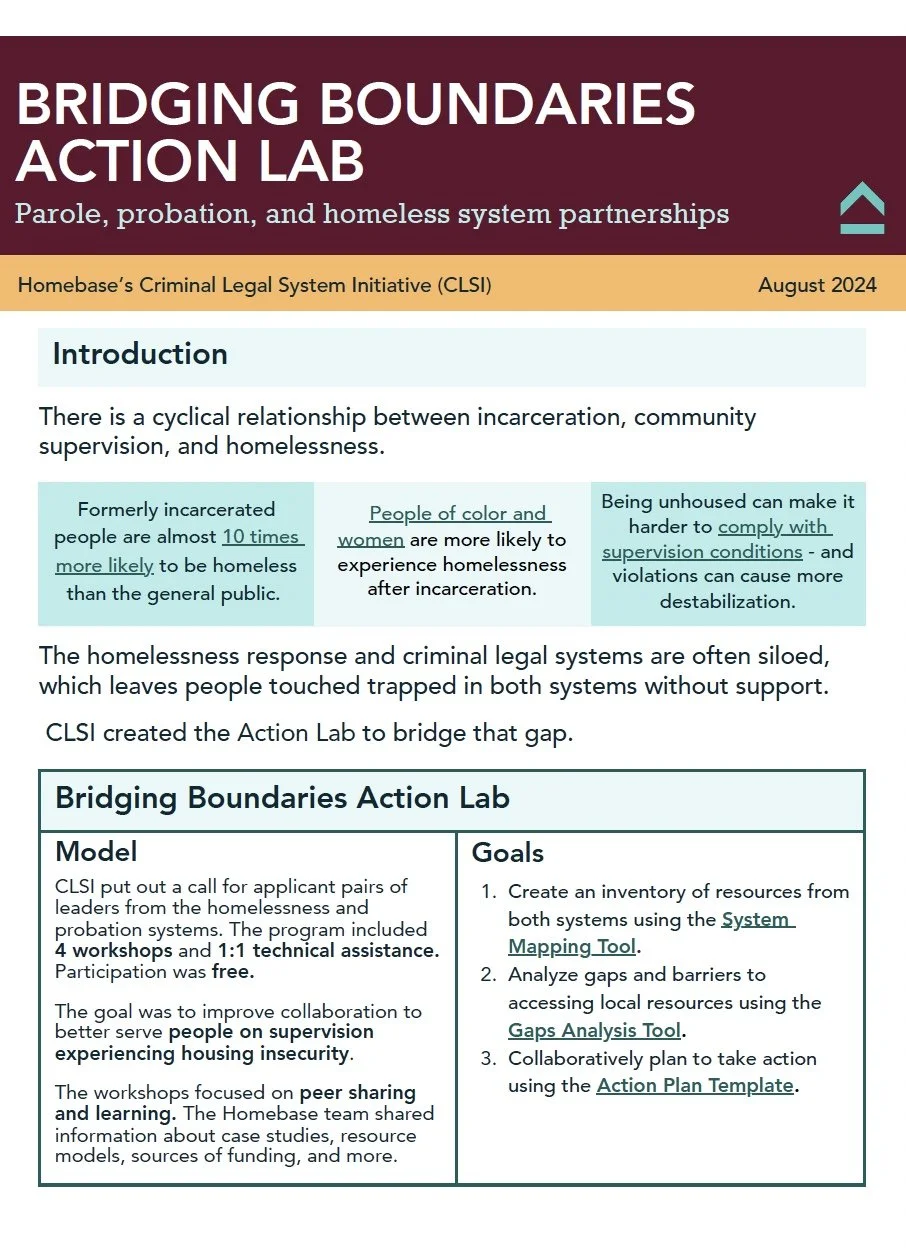
Bridging Boundaries Action Lab
The Bridging Boundaries Action Lab brought together parole, probation, and homelessness systems to reduce barriers to housing for people involved with the criminal legal system.